
The honest answer to "how long does IPL hair removal last" has two parts, because IPL does not work like any method you are replacing. It is not a single treatment with a fixed expiry date — it is a course of sessions that gradually reduces how much hair grows back, followed by occasional maintenance to keep that reduction in place. Understood properly, at-home IPL can keep skin smooth for months at a stretch and, with light upkeep, effectively indefinitely. Understood wrongly — as a one-and-done permanent fix — it is guaranteed to disappoint. Here is the realistic timeline.
The short version: A full initial course of IPL (roughly 8-12 sessions) produces long-lasting hair reduction, not permanent removal. Regrowth is slower, finer and sparser, and most people keep it that way with a quick maintenance flash every one to three months. The result lasts as long as you do that light upkeep — which is a fraction of the effort of shaving or waxing forever.
Permanent reduction vs permanent removal — the distinction that matters
Every honest conversation about how long IPL lasts starts here. At-home IPL is cleared and marketed for permanent hair reduction, not permanent hair removal, and the wording is deliberate. IPL lastingly reduces the number of active follicles and weakens the hair that does grow, but it cannot guarantee that no hair ever returns, because follicles can reactivate and new growth can be triggered by hormones or ageing. So the smooth result you achieve is durable and long-lasting — but it is maintained, not permanent in the sense of "treat once and forget forever." Any device or clinic promising truly permanent removal from a light-based method is overselling it.
The results timeline: what to expect and when
IPL results build in stages rather than appearing all at once, so knowing the timeline keeps expectations realistic and stops people quitting right before the payoff. For the underlying mechanism behind each stage, see how IPL hair removal works.
| Stage | Rough timing | What you see |
|---|---|---|
| First few sessions | Weeks 1-4 | Little visible change yet; some hairs shed a week or two after each flash. This is normal — the course is only starting to catch follicles in their active phase. |
| Mid-course | Weeks 4-8 | Growth clearly slows; patches come in sparser and finer, and you shave less often. |
| End of initial course | Weeks 8-12 | Substantial reduction across the treated area — noticeably less hair, softer and lighter where it remains. |
| Maintenance phase | Ongoing | A single flash every 1-3 months keeps regrowth suppressed. Intervals lengthen as results hold. |
If you are still early in this timeline and wondering whether it is working at all, the honest week-by-week expectations are covered in does at-home IPL actually work — the short version is that patience through the first month is the single biggest predictor of a good long-term result.
Why hair comes back — and why that is not failure
At any given moment, only a portion of your hair is in the active growth phase where IPL can affect the follicle. The rest is dormant and simply invisible to the light that day. That is the entire reason a course of spaced sessions is needed — each session catches a different set of follicles in their active window. Even after a full course, two things bring some hair back over time: dormant follicles reactivating, and new growth triggered by hormonal shifts, pregnancy, medication or ageing. None of that means IPL "stopped working" — it means biology carried on, which is exactly what maintenance sessions are designed to manage.
How maintenance sessions keep results lasting
Maintenance is what turns a months-long result into an effectively permanent one. Once you finish the initial course, you shift from frequent sessions to occasional top-ups — for most people, a single flash of the area every four to eight weeks at first, stretching out to every couple of months or even a few times a year as regrowth stays minimal. The key is to treat fine regrowth early, while it is still sparse, rather than waiting for a full return. Treated early, each maintenance session is quick and the smooth result never really lapses. This is the practical difference between IPL and waxing: waxing removes the same amount of hair on the same schedule forever, whereas IPL's workload keeps shrinking.
What makes IPL results last longer
- Finish the full initial course. Stopping early is the most common reason results underwhelm — the follicles you never caught in their active phase simply carry on growing. Complete every scheduled session.
- Shave between sessions — never wax or pluck. IPL needs the hair rooted in the follicle to target it. Waxing or plucking removes the root and wastes the session. Correct prep is covered in how to use at-home IPL.
- Use an effective energy level. The highest setting your skin tolerates comfortably for your tone delivers the most durable reduction. Under-powering to be gentle trades results for nothing.
- Stay consistent on schedule. Regular spacing catches more follicles across their growth cycles than sporadic sessions ever will.
- Protect treated skin from sun. Tanned skin both reduces IPL's effectiveness and raises the risk of irritation, which can force you to skip sessions and lose momentum.
Suitability decides how long it lasts
The single biggest factor in whether IPL results last is whether you are a suitable candidate in the first place. IPL relies on contrast between dark hair and lighter skin, so it lasts longest and works best on that combination. On very light, red, grey or white hair there is little pigment for the light to target, so results are weak and short-lived regardless of how diligent you are — and on very dark skin, standard IPL is unsafe rather than merely ineffective. Before judging longevity, confirm you are in the range the technology is built for with our skin-tone suitability guide. For suitable users, longevity is excellent; for unsuitable ones, no amount of maintenance will make it last.
How IPL longevity compares to laser
Professional laser and at-home IPL follow the same pattern — a course of sessions, then maintenance — but laser generally delivers a slightly faster and more aggressive reduction per session because clinics use higher-powered equipment. The trade-off is cost and convenience: at-home IPL lets you run both the initial course and every maintenance session yourself, on your own schedule, for a single upfront price. For most people the durability gap is small enough that at-home IPL's freedom to top up whenever regrowth appears actually makes results easier to sustain long-term. We compare the two properly in IPL vs laser hair removal.
The bottom line
IPL hair removal lasts as long as you keep it up — and keeping it up asks very little. A full initial course buys you months of substantially reduced, finer, slower growth, and a quick maintenance flash every one to three months holds that result more or less indefinitely. It is permanent reduction rather than permanent removal, which is the honest and achievable outcome: not "treat once, done forever," but "a short course, then occasional upkeep, for skin that stays smooth far longer than any razor or wax could manage."
IPL does not last a set number of weeks — it lasts as long as you give it the occasional session it was always designed to need.
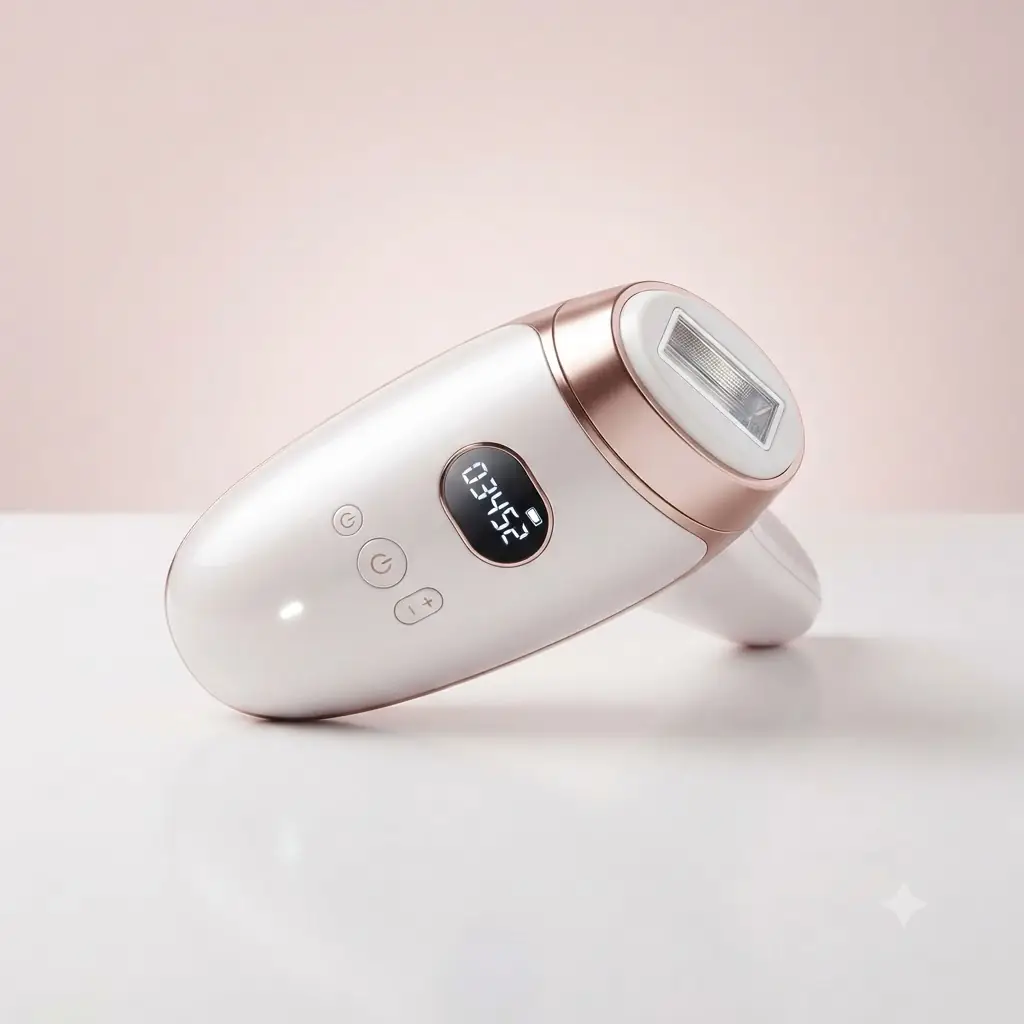
FlashSmooth Core is built for exactly this: a long-life lamp with enough flashes for the full initial course and years of maintenance sessions, in a one-time purchase backed by a 90-day money-back guarantee so you can confirm it lasts for your skin and hair before you commit.